There's a room in your house with a desk in it. There's also a treadmill nobody's been on since March, a single bed in the corner with a pile of clean washing on it, and a bookcase that's really just storage now.
You know exactly what that room is. Everyone who lives there knows. It's the spare room.
And if you were building right now, a good designer would tell you to make that room work harder. One room, three jobs. Home office most days, guest bed when your sister stays, movie room on a Saturday night.
She'd be completely right. When you're designing a life, a room that only earns its keep two weeks a year is money sitting still.
But you're not building. You're selling. And on listing day, that same advice can quietly cost you.
Because a buyer isn't imagining
Here's the thing we often get wrong about buyers. We assume they walk through a house picturing what it could be. Some do. But they also make quick judgements based on what they can actually see.
Four bedrooms in the ad. Three bedrooms shown clearly in the photos, plus an office. Suddenly, that third bedroom isn't doing much work for you. A buyer scrolling through listings might compare your home with three-bedroom houses instead.
You didn't lose a bedroom in the build. You lost it in the photos.
"They'll just change it anyway"
Every seller says this, and it sounds so reasonable. Let the new owners decide. They'll rip it out and do what they want.
Maybe. But that assumes buyers can see past what's there, picture another use for the room and feel like taking on the change.
Some can. Plenty won't bother.
- Buyers are affected by what they see. We all are. First impressions count, especially when you're scrolling through dozens of listings.
- Not everyone can picture a different room. That's no criticism. It's hard to see past someone else's stuff.
- Not everyone wants another job to do. Even a simple change can feel like one more thing on the list.
- And buyers have their limits, too. If another house makes sense straight away, yours has to work harder to compete.
Leave the room doing three jobs and you risk making buyers work to understand it. You want as many people as possible to walk in and see themselves living there.
So give every room one job
Not a purpose. A job title. You're not just labelling rooms, you're casting them.
Stand in the doorway, roughly where the photographer will stand, and take a photo on your phone. Don't tidy first. Then look at it small, the way a buyer will see it while scrolling, and ask one question.
The whole test
If a stranger saw only this photo, what would she call this room?
One word. If you can't get to one word, neither can she. And that room might be working against you.
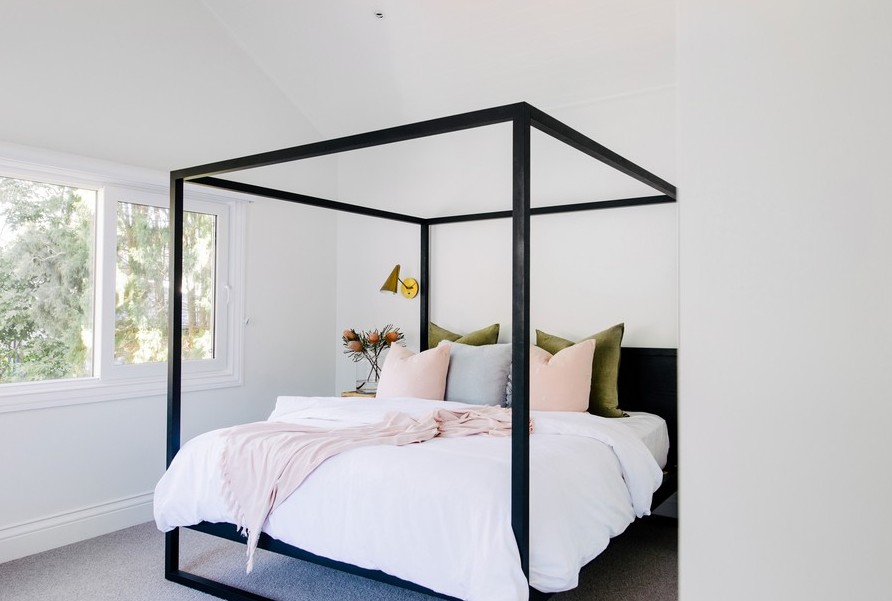
Then dress it for the job you've given it. A third bedroom needs a bed, two bedside tables and a lamp. That's it. Borrow the lot if you need to. It's a lot cheaper than buying a whole new bedroom.
The rooms that lose a bedroom most often: the study that was always a bedroom, the playroom, the home gym, the sewing room, the one that's become storage since the kids left.
If your ad says four bedrooms but your photos only clearly show three, have a look at those rooms. That's where the missing bedroom might be hiding.
It isn't decorating work. It's photography work.
Open plan is the exception. Sort of. If your kitchen, dining and living areas are one big space, break it into zones and give each zone one job. Same rule, just applied to the zone rather than the room.
This is the bit that catches people out, and it's why sellers can spend money in all the wrong places. They agonise over cushions and paint colours, then hand the photographer a house where you can't tell what half the rooms are for.
None of this is about taste. It's about making the house easy to understand.
Buyers might notice the cushions, but what matters more is whether they can see a bedroom, understand the living space and picture how the house would work for them.